18th of April

by on April 18th, 2012


Last weekend was the Glenfarg Folk Feast a great music festival in the hills just south of Perth where many of my ancestors lived and rellies still do. I was booked to run a DADGAD guitar workshop and here are my victims. This is the Terrace Bar of the Glenfarg Hotel where the Glenfarg folk club meet every Monday night. It’s a truly great club  with some marvellous local singers and musicians.

I was performing in the Saturday night concert here in the village hall where I recorded Live In Glenfarg several years ago. On stage for a sound check are the Farg Folk a group of commitee members who did a wonderful set of singalong songs to open the show.

The winner of the Glenfarg World Puff a Box competition heads back triumphantly to his seat. He had just blown the inside of an empty box of Scottish Bluebell matches further than any one else without  it falling out of bounds or hitting the pesky chandalier.

I am a former world champion at this event and actually produced the longest puff this year but it fell out of bounds – DOH! This is me recoiling from the puff… with somewhat demonic eyes…

Last day of the Easter Hols and a family trip to Edinburgh. Here looking down the Royal Mile with the Firth of Forth in the Background.

The father of modern capitalism, Adam smith who described the “invsible hand” of the market on all human commerce. His ‘Wealth of Nations’ has become a real right wing icon but his more philanthropic writings have been largely ignored. Behind him stands St Giles Catherdal Scotlands most important intact medieval building.

The Heart of Midlothian stone. Mentioned in my song the Flowers of Edinburgh, It marks where the old jail used to stand, immotalised in Sir Walter Scott’s novel. It was traditional to spit on the stone as a gesture againt the cruelty of the establishment. Later a football team was named after it  and it became traditional for its supporters to spit on it for good luck. As Hearts had just beaten Celtic to reach the Scottish cup final these gobs had clearly worked!

The Old Town in Edinburgh is famous for its closes, narrow alley-ways which run down from the main street at right angles. The gap between each close was only one house wide and the dwellings were built higher and higher until many were as high as twelve stories -the highest at that time in the entire world.

There are a large number of these closes with many,many  tales attached to the hundreds of years they have been inhabited. The main reason that so many people huddled in these medieval tenements was that no one wanted to live outside the imposing city wall in a period when there were frequent attacks from the English.

We were in Edinburgh to visit Mary Kings Close. When the Council Offices were built in the late ninteen hundreds they built over the top of a number of medieval buildings which are now preserved as a tourist attraction to let people see how what it was like in Edinburgh hundreds of years ago, in the time of plagues and zero sanitation. No photography is allowed and its all a bit spooky underground, with lots of ghost stories.

You can see Rabbie right behind the blue upright saying ‘food served all day’.

‘Busk Busk Bonnie Lassie’.. this part of Edinburgh is famous for street performers. I used to busk here myself back in the skint old days… The blue object is a police box, the Edinburgh version of the Tardis from Dr Who. To the extreme right is a young lady dressed in black trying to drum up trade for some ghost tour.
9th of April

by on April 9th, 2012


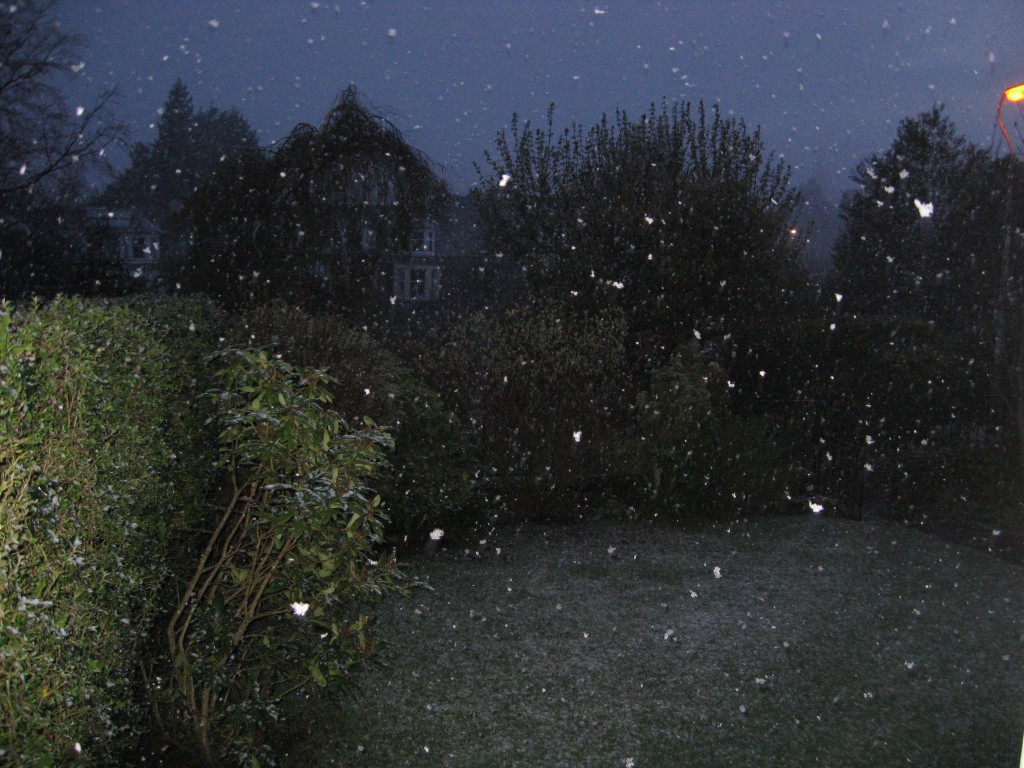
Big snowflakes from a few days ago. Some places in the north had quite a big fall but it went very quickly.

Easter, and we are up in Aberdeenshire. Bennachie, the most prominent hill in the lowlands to the east of the region.

Gight castle, where Lord Byron’s mother was born apparently.

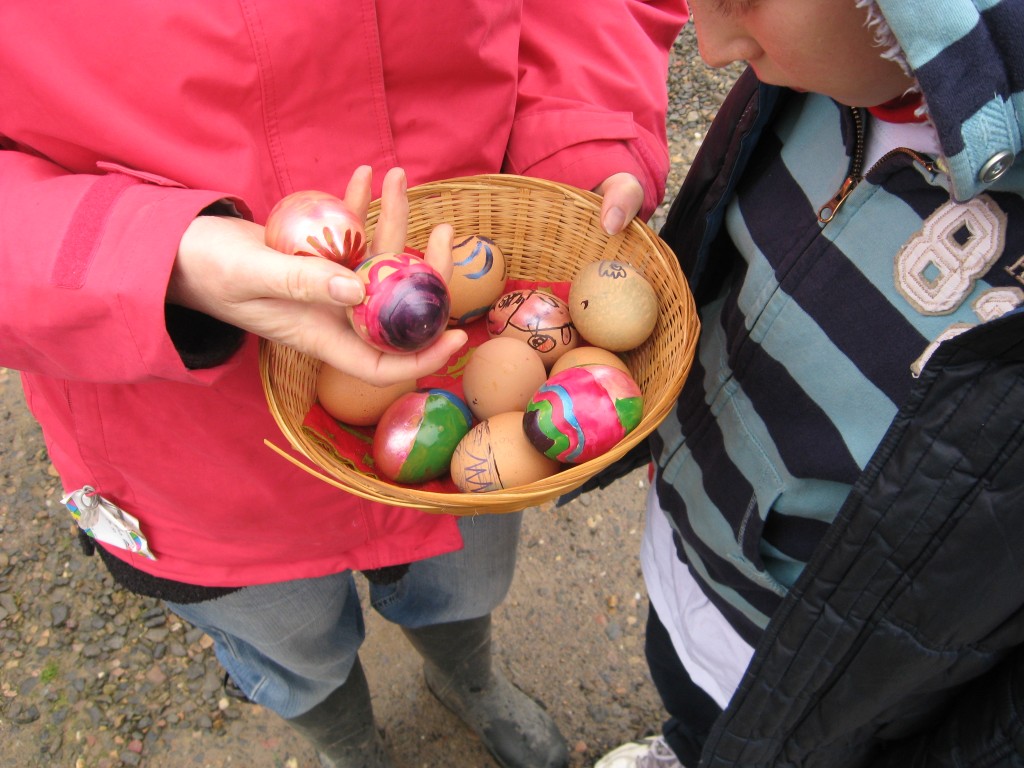
We have come to roll these guys, a tradition I think meant to represent the rolling away of the stone at Christ’s tomb on Easter Sunday… The game which my wife Susie takes very seriously is to roll your egg as far as possible without breaking it. However the quicker it breaks the sooner you get to eat it.. Mine was painted as Beethoven so I could sing ‘Roll Over Beethoven’

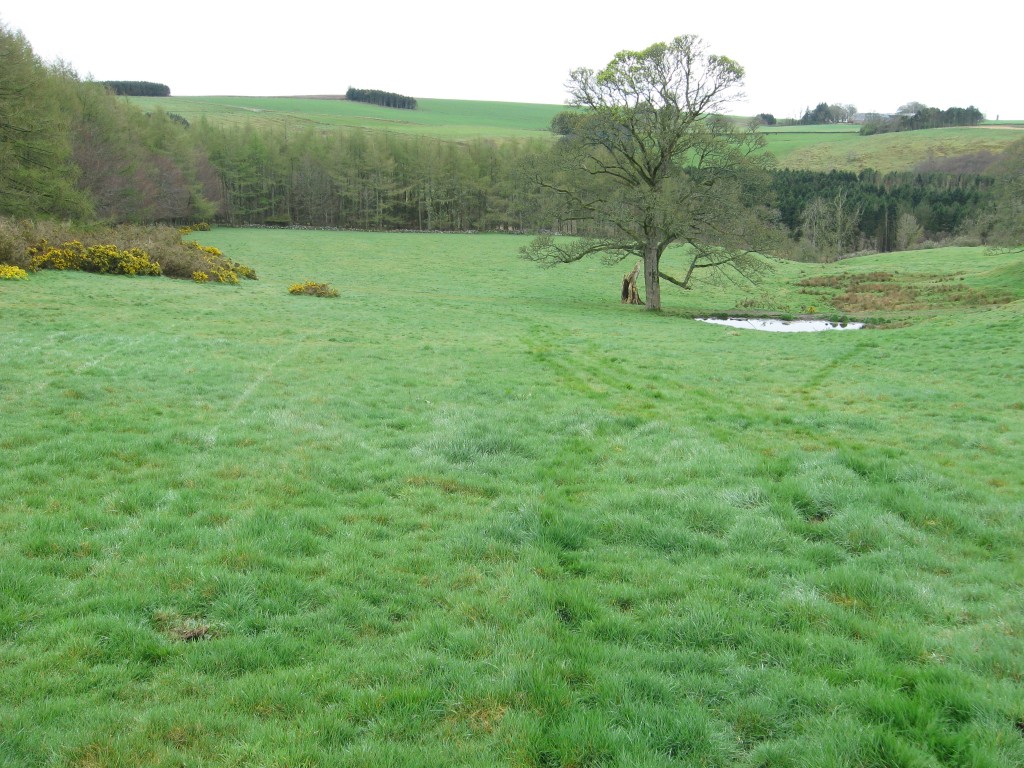
Down this hill…

Gight castle, in need of some TLC.

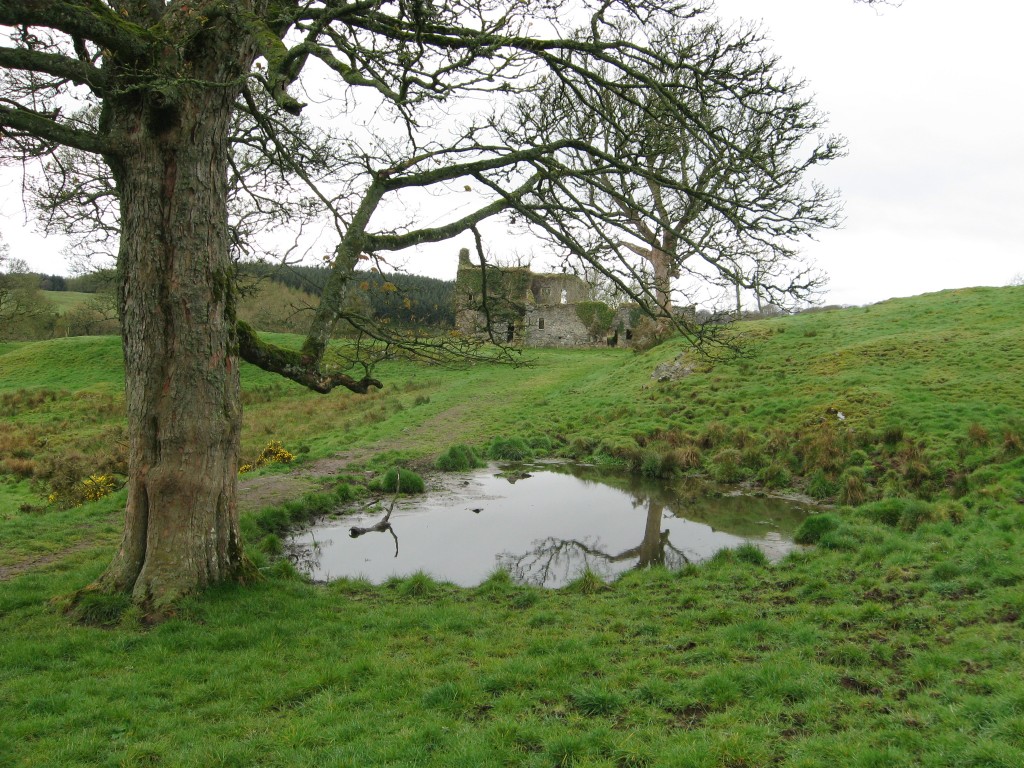
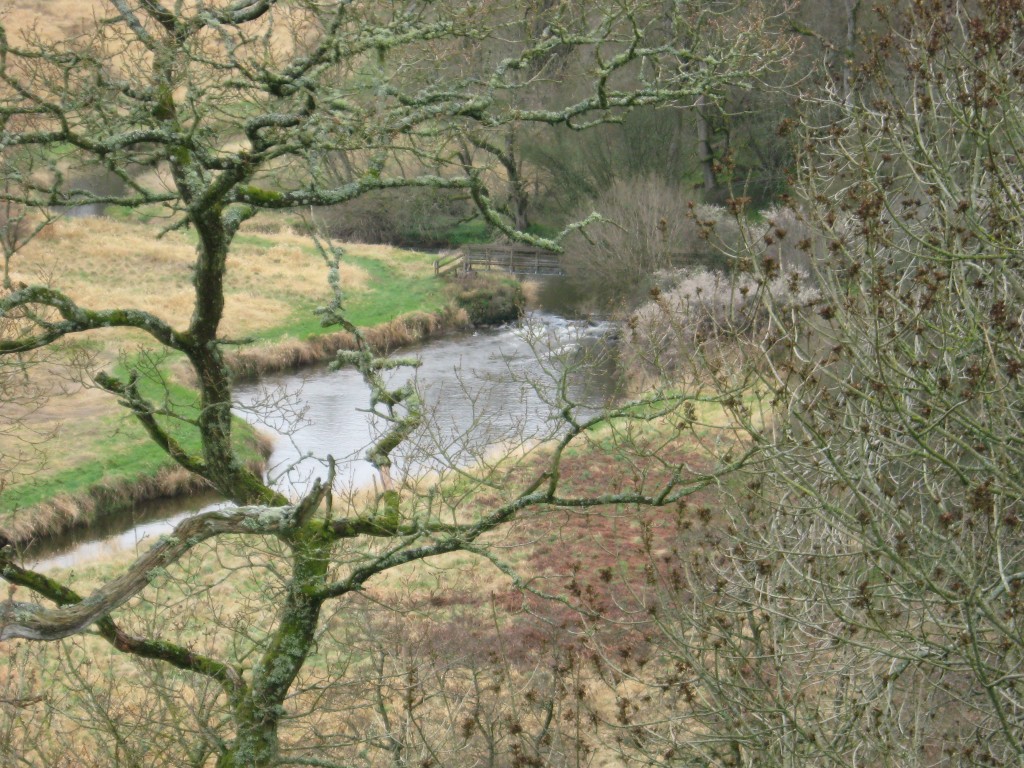
Hagberry Pot – a pool on the river Ythan which runs below the castle. There’s supposed to be a crock of gold hidden down there. Sounds like a crock of something else…

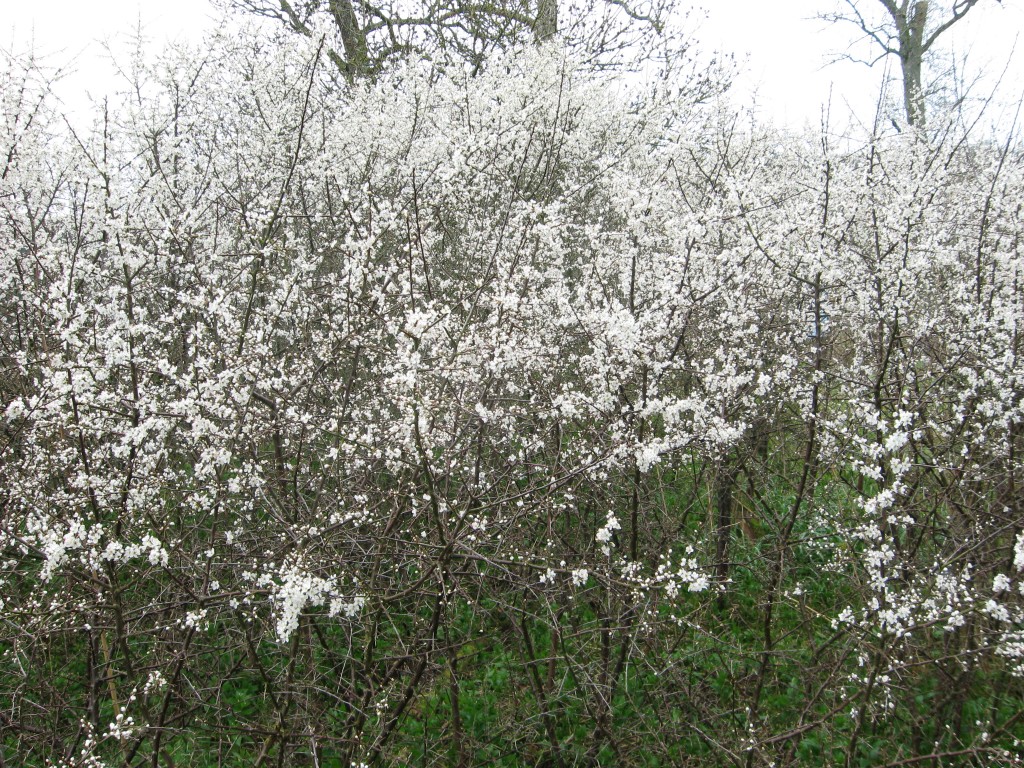
Sloe bushes in bloom. Sloes are small dark bitter fruits much mentioned in old songs for their darkness and er bitterness…

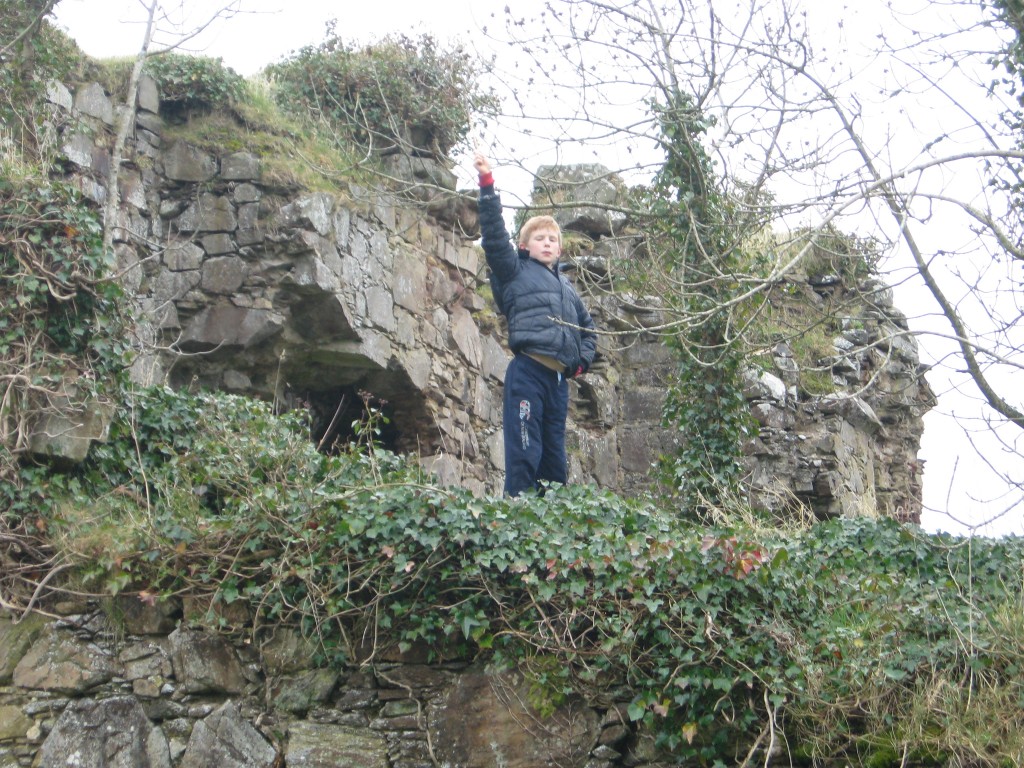
Sandy is the King of the Castle, which makes me the dirty wee rascal.

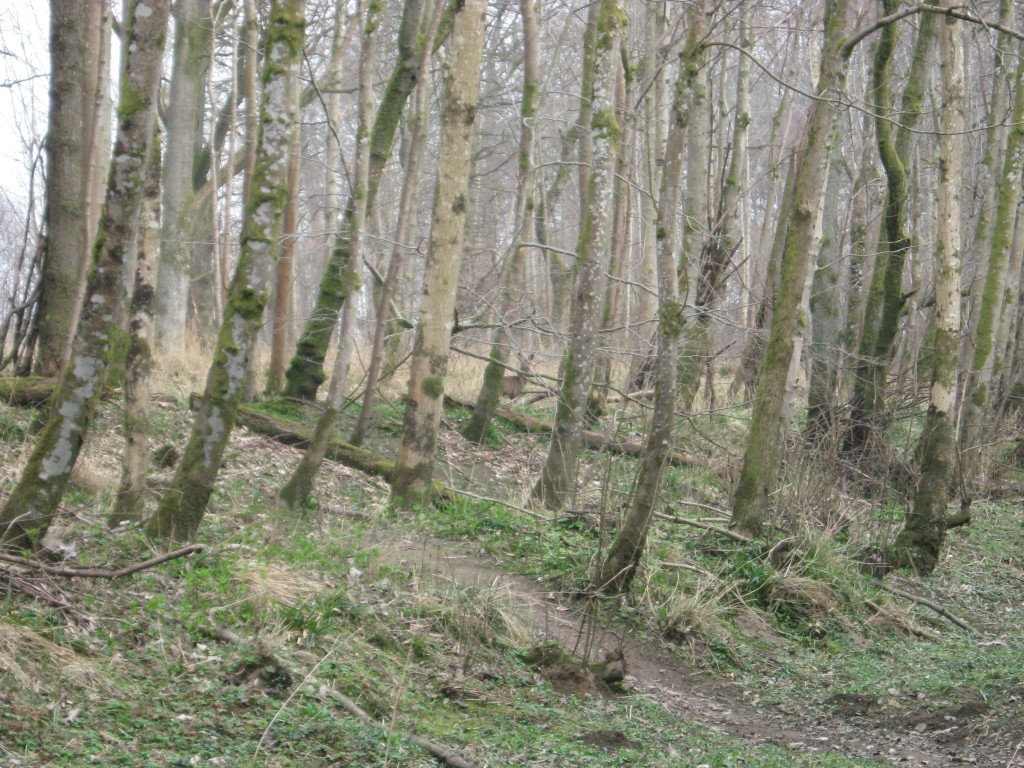
Looking up the inside of a hollow tree.. as you do.

3rd of April

by on April 3rd, 2012


Too little too late. Finally this year we get some snow. Shame it’s now April…

School hols so took an ‘indoor’ trip to Dundee where the crocodiles come from…

Dundee is famous for Jute, Jam and Journalism. Here is the original headquarters of publishers DC Thomson, responsible for the journalism component.

Most famous for these comics..

And Oor Wullie, my own childhood favourite, who had me running to the door every Sunday morning for his tales in the Sunday Post.

We were in the McManus Gallery/Museum having a whale of a time…

Whaling was a big deal in Dundee in the 19th century. Here are some artifacts; whale oil, models of famous whalers a narwhal tusk, stuff made from whale bone..

Early on when hand held harpoons and sailing boats were used the odds were better for the whales. Then came the steam engine and these things…

Dundee at one time had literally hundreds of factories making jute. The raw material(the two sticks)was a tall thin shrub grown in southern India. It was processed into a rough and very durable cloth.

Here is an early machine that un-matted the fibres.

A cautionary poster from the Temperance era about the career paths of the tea-total and the boozer

Funny to see a computer in a museum but look at the size of it!

A blurred photograph of the steam engine which plunged into the Tay when the original bridge collapsed in 1883. It was recovered and ran well into the 1920s.

This shaky snap shows the bridge in a James Macintosh Patrick painting.

Susie was wondering where she had come across the name Mary Slessor, the missionary shown in this stained glass.

Then it came to her. Show me the money…

Rabbie…

Wally…

‘enry

Jimmy..

Bert and Vicky..

We’ve had the jute and journalism, here’s where the jam comes from. Used to do this myself for summer holiday cash

They look great and taste even better..

Lochaber no more… after the disaster of Culloden and months of hiding in the heather Bonnie Prince Charlie leaves Scotland never to return…

James Scott Skinner; the self-acclaimed ‘Strathspey King’.

Funeral of the new-born.

Hospital scene from WWI

They’ve even got a wee Picasso first print

I was delighted to see a painting by an old school pal Derek Guild who has become a famous painter. His paintings are wonderful but always a bit er..disturbing. Title: Colony

A pictish stone.

One side is usually a cross

The other usually has figures.

A flag flown by Jacobite forces at the battle of Culloden

24th of March

by on March 24th, 2012


Peek a boo ! Managed to snap this roe deer whilst walking near Murthly today. There were four of them but the others shot off before i could get the camera out.

22nd of March

by on March 22nd, 2012


‘The Kings Stone’ marks one of the many battles that have raged around the quiet city of Perth throughout the ages. In 980 AD at a site now called Denmarkfield a Viking army was beaten off by an Army of Scots.

The Vikings rowed up the Tay at high tide and landed here…

The River Almond which flows into the Tay a mile or so downstream of the battle-site . I saw what I thought was a wee trout rising just beyond that fallen tree…

It turned out to be a quite lot bigger….